
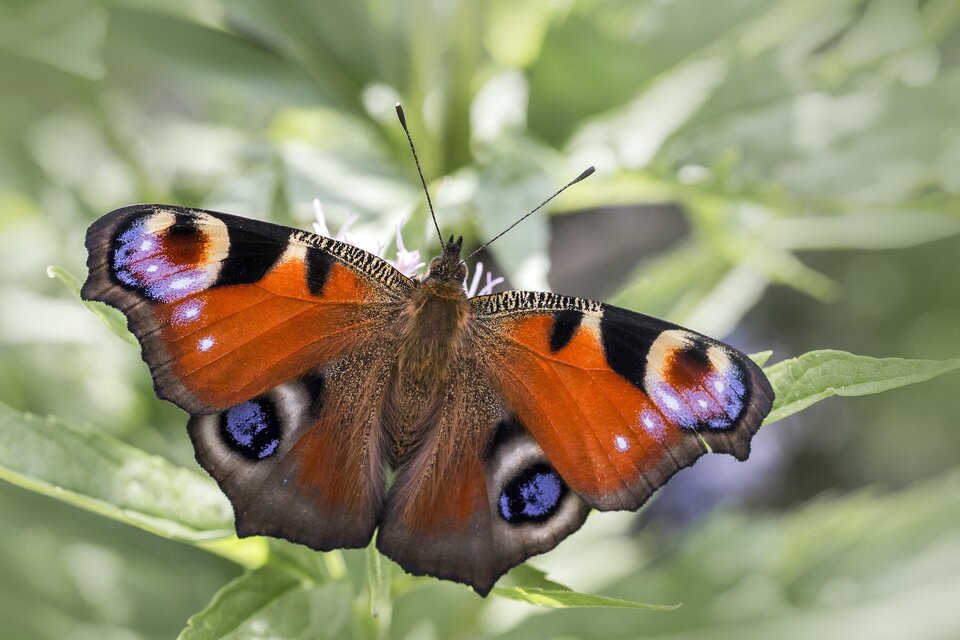
One of the first things scientists do is look for patterns.
Patterns help us make sense of the world around us. They allow scientists to ask questions, make predictions, and better understand how things work. While that may sound like something reserved for laboratories and research studies, children can begin practicing this skill anytime they step outside.
The good news is that nature is full of patterns just waiting to be discovered. If you’d like a simple introduction to this important scientific thinking skill, watch our video on Patterns, one of the crosscutting concepts scientists use to understand the world around them.
Whether your child is exploring a backyard, neighborhood park, hiking trail, or schoolyard, they can learn to observe the repeating shapes, behaviors, and changes that scientists notice every day.
What Are Patterns?
A pattern is something that repeats or happens in a predictable way. Some patterns are easy to see, while others take time and careful observation to notice.
For example, your child might notice:
- The repeating scales on a pinecone
- The arrangement of petals on a flower
- The veins on a leaf
- The stripes on an insect
- The phases of the moon
- The changing seasons
Scientists use these observations to ask questions and look for explanations. When children learn to recognize patterns, they are practicing one of the most important science skills they can develop.
Why Do Scientists Look for Patterns?
Patterns help scientists answer questions about the natural world.
For example:
- Why do certain flowers bloom at specific times of the year?
- Why do some birds migrate during certain seasons?
- Why does the moon appear to change shape throughout the month?
Scientists often begin by noticing a pattern. They then investigate what might be causing it. Helping children notice patterns encourages them to move beyond simply observing nature and begin thinking about how and why things happen.
Easy Patterns Kids Can Find in Nature
One of the best things about studying patterns is that no special materials are needed.
The next time you head outside, encourage your child to look for repeating shapes, colors, behaviors, or changes.
Patterns in Plants

Plants are full of repeating structures.
Look for:
- Petals arranged around a flower center
- Repeating leaf shapes
- Seeds arranged inside fruits
- Needle patterns on evergreen trees
Ask:
“Do you notice anything that repeats?”
Patterns in Animals
Animals often display patterns that help them survive.
Look for:
- Stripes
- Spots
- Feather patterns
- Repeating movements
Ask:
“Why do you think this pattern might be useful?”
Patterns in Weather
Weather provides opportunities to observe patterns over time.
Your child might notice:
- Afternoon thunderstorms during summer
- Cooler temperatures in fall
- Longer daylight hours in summer
- Shorter days in winter
Keeping a simple weather journal can help children discover patterns that are difficult to notice in a single day.
Patterns in the Sky

The sky offers some of the most fascinating patterns children can observe.
Look for:
- Moon phases
- Sunrise and sunset times
- Seasonal changes in daylight
- Cloud formations
Encourage your child to make observations over several days or weeks to see how these patterns develop.
A Simple Pattern Hunt Activity
The next time you go outside, challenge your child to find five patterns in nature. 
They can:
- Draw what they observe
- Take photographs
- Describe the pattern in a notebook
- Record questions they have
Afterward, ask:
- What patterns did you notice?
- Which pattern surprised you?
- What do you wonder about that pattern?
- Why do you think that pattern exists?
These questions encourage deeper scientific thinking and curiosity.
Looking for a ready-to-use activity? Our free Think Like a Scientist: Patterns in Nature Scavenger Hunt encourages children to observe carefully, identify patterns, and record what they notice and wonder about while exploring outdoors.
Patterns and Nature Journaling
Nature journaling is a wonderful way to help children slow down and notice patterns they might otherwise miss.
By drawing, writing, and recording observations, children learn to look more closely at the world around them. If you’re new to nature journaling, our Educator’s Nature Journal Handbook includes prompts and activities to help families and educators get started.
Over time, they begin to notice details, connections, and patterns that help them better understand nature. A simple observation today can become a meaningful scientific discovery tomorrow.
How Patterns Help Kids Think Like Scientists
Patterns are one of the seven crosscutting concepts scientists use to make sense of the world. When children learn to recognize patterns, they begin developing the same thinking skills scientists use every day. Whether they are noticing repeating shapes on a pinecone or tracking changes in the weather, they are learning to ask questions, make predictions, and look for explanations.
Final Thoughts
Scientists don’t start with answers. They start by noticing. Strong observation skills help children recognize patterns, ask questions, and develop deeper scientific thinking.
Patterns are one of the most powerful tools scientists use to understand the natural world, and children can begin practicing this skill from an early age.
The next time you head outdoors, encourage your child to slow down, observe carefully, and look for things that repeat. You may be surprised by just how many patterns are hiding in plain sight.