
Have you ever heard a child ask:
“Why did that happen?”
“What made it change?”
“What caused that to happen?”
Questions like these are at the heart of scientific thinking.
One of the most important ideas children explore in science is cause and effect. This concept helps kids understand that one thing can lead to another. It encourages children to observe closely, ask questions, test ideas, and explain what they notice.
In fact, cause and effect is one of the major NGSS Crosscutting Concepts in the Next Generation Science Standards. These crosscutting concepts help children make connections across many areas of science learning.
The good news is that cause and effect can be explored naturally through simple, everyday experiences at home and outdoors.
What Is Cause and Effect?
A cause is why something happens.
An effect is what happens because of it.

For example:
- Cause: Rain falls
- Effect: Puddles form
Or:
- Cause: A toy car rolls down a steep ramp
- Effect: It moves faster and farther
Scientists investigate these relationships all the time. They ask questions, test ideas, and look for evidence to explain what happened.
Watch the Video Version
Want a simple walkthrough of how cause and effect develops from elementary through middle school?
In my NGSS Made Simple YouTube series, I break down this important science concept using real-life examples and practical ways to support scientific thinking at home.
🎥 Watch here: Helping Kids Understand Cause & Effect | Simple Science at Home
Why Cause and Effect Matters in Science
When children explore cause and effect, they begin practicing important scientific thinking skills such as:
- Asking questions
- Making observations
- Testing ideas
- Making predictions
- Looking for patterns
- Explaining results using evidence
These experiences help children move beyond memorizing facts and begin thinking like scientists.
Simple Cause and Effect Science Activities by Age
Cause and effect investigations can grow with children over time. Younger children may simply notice changes, while older students begin testing variables and explaining results in more detail.
Here are a few simple ways to explore cause and effect at different ages.
K–2 Science Activity: Sun vs. Shade Ice Test
Place one ice cube in the sun and another in the shade.
Ask:
- Which ice cube melts faster?
- What changed?
- Why do you think that happened?
This simple activity helps young children begin noticing how sunlight and heat affect melting. At this age, the goal is not memorizing scientific vocabulary. Instead, children are learning to observe carefully and talk about what they notice.
Grades 3–5 Science Activity: Ramp Investigation

Use books or blocks to create ramps with different heights. Then roll a toy car down each ramp.
Ask:
- What happens when the ramp gets higher?
- Does the car move faster or farther?
- What caused the change?
Children in upper elementary can begin testing one change at a time and comparing results. They also start explaining their thinking using evidence from their observations. This is an important step in developing scientific reasoning skills.
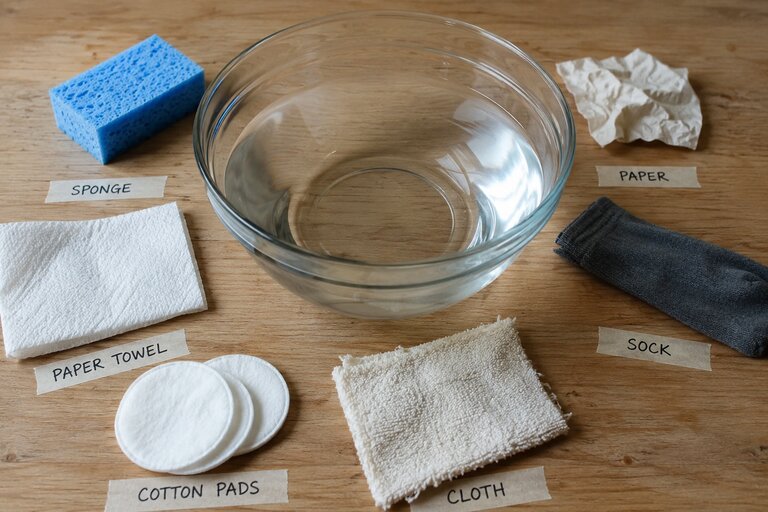
Middle School Science Activity: Absorbency Investigation
Test different materials such as paper towels, cotton balls, cloth, or sponges with water.
Ask:
- Which material absorbs the most water?
- Why do you think that happened?
- What evidence supports your thinking?
Middle school students can begin thinking more deeply about variables, evidence, and material properties. They can also design fair tests and analyze results more independently. This helps students connect cause and effect to real scientific investigations.
Helping Kids Think Like Scientists
One of the best ways to support scientific thinking is by asking open-ended questions during everyday experiences.
Try questions like:
- What do you notice?
- What changed?
- What do you think caused that?
- Why do you think that happened?
- What could we try next?
Questions like these encourage curiosity, critical thinking, and deeper observation.
Cause and Effect Happens Everywhere
Children can discover cause and effect all around them:
- Rain creates puddles
- Wind moves leaves
- Plants grow toward sunlight
- Snow melts in warm temperatures
- Shadows change throughout the day
- Different materials react differently to water
Science learning does not always need complicated experiments or expensive materials. Some of the most meaningful science experiences happen through curiosity, play, and everyday exploration.
Extend the Learning

If your child enjoys hands-on science investigations, our Cause and Effect Activities for Kids resource includes:
- Printable investigation pages
- Observation prompts
- Scientific thinking questions
- Nature-inspired science activities
- NGSS-aligned cause and effect explorations for elementary learners
The activities are designed to help children build confidence in science while encouraging them to slow down, observe carefully, and think like scientists.
Final Thoughts
Teaching cause and effect does not need to feel overwhelming. By giving children opportunities to observe changes, ask questions, and test ideas, you are helping them build scientific thinking skills that support learning far beyond science class.
The more children notice about the world around them, the more curious they become. And curiosity is where meaningful science learning begins.
Until your next science exploration… keep observing, wondering, and thinking like a scientist.