
Let’s Get Real About Science Education
After 13 years teaching science in public schools, homeschooling my daughters during their early years, and now watching them return to public school, one thing has become undeniably clear to me: children learn best when they are curious, observant, and connected to the world around them. This is the foundation of nature-based science education, and it’s something we too often overlook in traditional school settings.
That’s why, if I could give one piece of advice to education leaders and policymakers, it would be this:
Prioritize nature-based science education and inquiry-driven learning starting in early childhood, and make it possible for all schools, not just the ones with easy access to green spaces.
And while we’re at it, let’s stop underestimating the value of unstructured time outdoors. Children need time to explore, move, observe, and just be, especially during unstructured outdoor time. It fuels problem-solving, creativity, and a lifelong connection to the environment.
Being back in the public school system as a parent has only deepened my belief that these changes are not just ideal. They’re necessary. And the good news? They’re doable.
What This Looks Like in Practice
Nature-based science education doesn’t require a school garden on every rooftop or a complete curriculum overhaul. I’ve seen schools with tight schedules, limited outdoor access, and plenty of red tape. Even in those settings, small changes made a meaningful impact. This isn’t about replacing core subjects. It’s about giving science the same respect and space to flourish, especially through real-world, hands-on outdoor learning experiences.
I remember how excited my students would get just to go outside. Even that alone, the chance to move their bodies and think in a new space made a huge difference. We once played a game called Oh Deer to learn about resource availability. Students acted out predators, prey, and resources. It was physical, collaborative, and fun, a powerful example of hands-on science learning in action. More importantly, they remembered what they learned far better than anything we covered with a worksheet.
Of course, heading outdoors wasn’t always easy. I had to check in with administrators, coordinate around gym classes, and track down a walkie-talkie just to get us out the door. It took effort. We also had access to a small courtyard but using it sometimes frustrated other teachers whose classrooms faced that space. They worried it would be distracting, and occasionally, it was. Then again, maybe the real issue was that outdoor learning wasn’t part of everyone’s routine. When kids notice something happening outside, they’re not trying to misbehave. They’re being curious. And isn’t that what we want?
How My Thinking Has Evolved

Founding Little Monsters Universe and spending time in a forest school with my daughters really opened my eyes to what’s possible. I’ve seen kids build seesaws out of logs to test balance. I’ve taught science lessons in local streams, where a simple exploration of macroinvertebrates turned into a spontaneous engineering challenge as kids designed their own water filters.
When students lead their learning, asking questions and following their curiosity, they own the experience. And the learning sticks.
Now that I’m a public school parent, I’m reminded of just how many structural challenges still exist. A strong emphasis on test scores, often tied to teacher evaluations, creates real pressure to teach to the test, while short class periods, packed schedules, and limited training make it difficult for even the most enthusiastic teachers to get outdoors or dive deeply into inquiry-based learning. These constraints aren’t a reflection of teachers’ commitment or creativity; they’re systemic realities of the school environment. And while they’re very real, they don’t make meaningful change impossible. What we need are small, practical shifts that support teachers and make space for authentic learning.
5 Ways to Bring More Nature and Inquiry Into Public Schools
- Fund and incentivize micro-green spaces in urban areas.
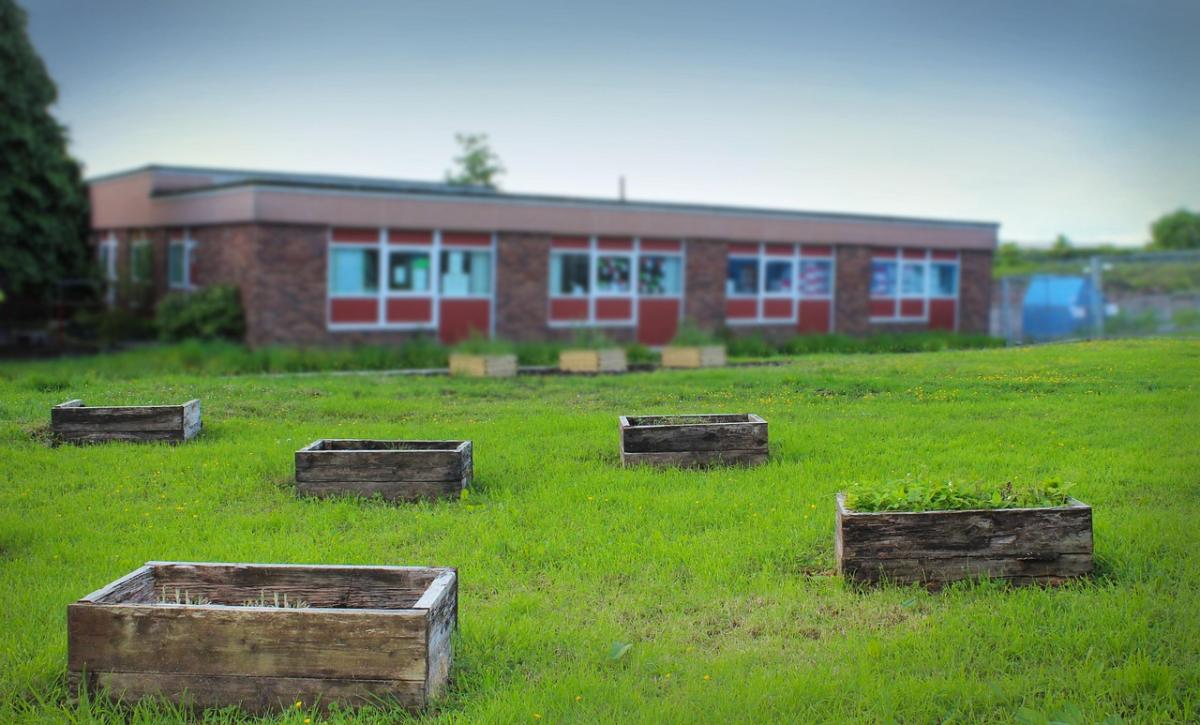
Small courtyards, rooftop planters, or partnerships with local parks can give students access to living systems. District grants or local partnerships could go a long way, especially in underserved communities. - Integrate “green time” into the school day.
Just like recess or silent reading time, a 15-20 minute observation walk or nature journaling session can become part of the routine. Even studying a patch of grass with a magnifying glass can spark scientific thinking. - Invest in professional development.
Teachers need training in outdoor and inquiry-based learning, and in how to manage classrooms in more open, unstructured settings. Confidence and support make all the difference. - Make science accessible inside the classroom too.
Hands-on investigations with low-cost materials, like recycled items, classroom terrariums, or compost bins can bring nature indoors when outdoor access is limited. - Partner with community organizations.
Nature centers, science museums, and environmental nonprofits often offer mobile programs, field trips, and in-school workshops that can bring authentic science experiences to kids, especially in schools with fewer resources.
This Isn’t Just Enrichment. It’s Equity.
All children, no matter their zip code, deserve the chance to wonder, explore, and connect with the natural world. This kind of learning builds more than science knowledge. It builds critical thinking, confidence, compassion, and care for the environment.
We’re not just raising test scores. We’re raising future problem-solvers and citizens who care. If we want better science education, let’s start by giving kids what they already have in abundance: curiosity, energy, and a desire to understand the world around them. We just have to make space, literally and figuratively, for them to explore it.
Of course, these classroom-level shifts exist within much larger systemic challenges. Over time, increased testing demands, longer instructional blocks, and shrinking opportunities for free play and outdoor time have reshaped what childhood looks like in schools, and not always for the better. There’s a lot to unpack there, and it’s a conversation worth having. But it’s also a topic for another day.
For now, supporting curiosity-driven, nature-connected learning is one meaningful place to begin. If you’re looking for a place to start, I’ve shared a few free, classroom- and family-friendly resources through Little Monsters Universe.