When most parents think about teaching science, they picture experiments, lab coats, and big wow-factor demonstrations.

The baking soda volcano.
The color-changing liquids.
The “watch this!” moments that look great on social media.
And while those experiences can be fun and memorable, they’re only one small part of what science really is. Real science is about how kids think, talk, and make sense of what they notice—not just what explodes, changes color, or makes a mess. Developing strong scientific thinking skills for kids starts with something much simpler: observation, curiosity, and communication.
Science Is a Way of Thinking, Not Just an Activity
At its core, science isn’t a set of experiments. It’s a process. Scientists observe what’s happening. They wonder why it’s happening. They explain their thinking, compare ideas, and ask what to try next. When children learn to think and communicate like scientists, they begin practicing these habits in everyday moments, not just during planned activities.
That might look like:
- describing how ice melts on the counter
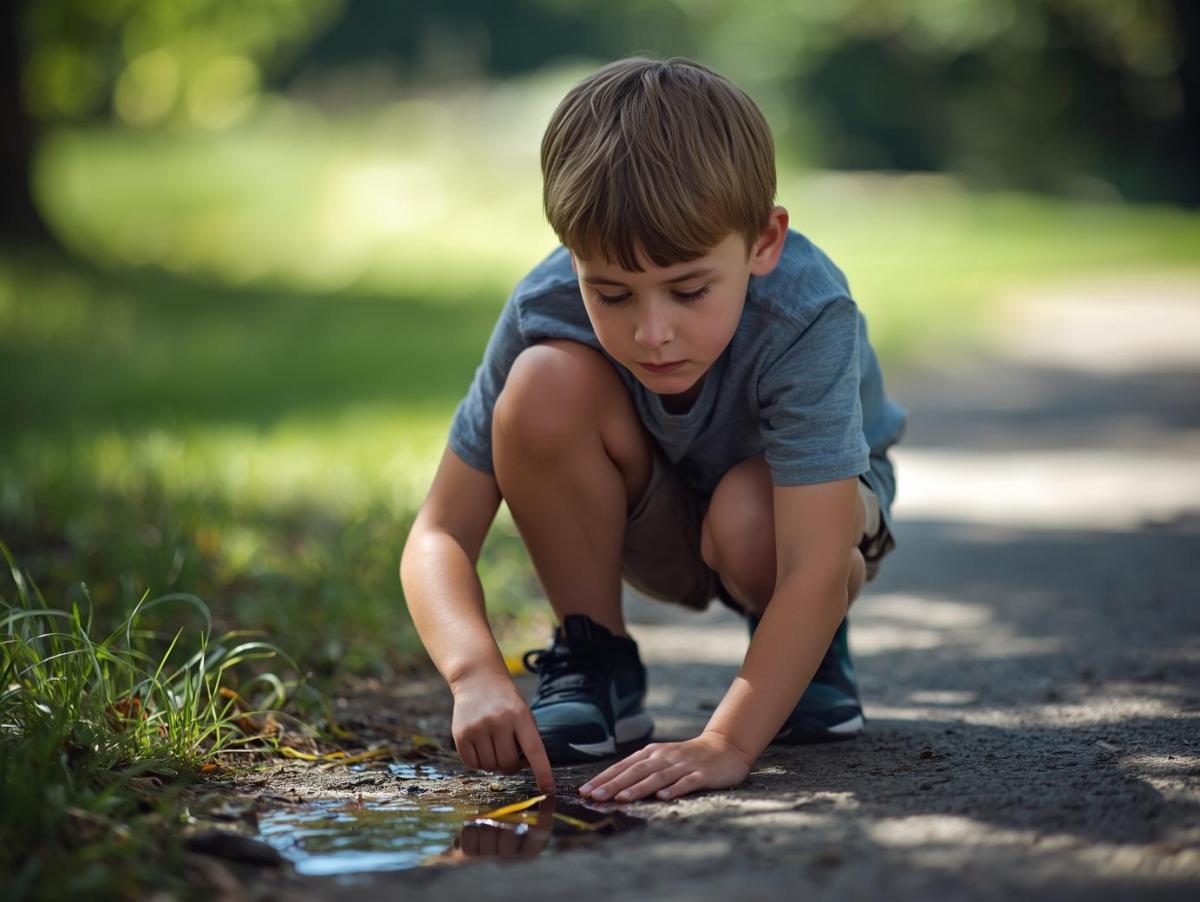
- noticing patterns in leaves on a walk
- explaining why they think a plant is leaning toward the light
These moments don’t need fancy materials. They need language.
Why Communicating Like a Scientist Matters
Many children have strong ideas but struggle to explain them clearly. That’s not a lack of understanding; it’s a lack of structure. When kids are given simple, kid-friendly scientific language, they learn how to organize their thoughts and share their ideas with confidence. Sentence starters like:
- “I observed…”
- “I noticed that…”
- “I think this happened because…”
- “Based on what I observed…”
help children slow down and reflect on their thinking.
Practicing this kind of science language for kids strengthens more than science skills. It supports:
- clearer communication
- stronger writing
- critical thinking
- confidence in sharing ideas
These are skills children carry into every subject.
You Don’t Need Over-the-Top Experiments to Build Scientific Thinking Skills
One of the biggest myths about science education is that it has to be loud, flashy, or complicated to be meaningful. In reality, scientific thinking skills for kids grow best through repetition, reflection, and conversation. A few minutes spent observing an everyday object (inside or outside) can be more powerful than a one-time “wow” demo if kids are encouraged to:
- describe what they notice
- ask questions
- explain their reasoning
- compare ideas
That’s where real learning sticks.
Supporting Kids with Simple Tools
To make this easier for parents and educators, I created Think and Communicate Like a Scientist, a free guide designed for elementary-aged children.
The guide includes:
- kid-friendly words and phrases children can use when speaking or writing like scientists
- simple recording pages for observations and ideas
- short, flexible activities that work indoors or outdoors
The worksheets are intentionally light, just enough structure to help kids organize their thinking without turning science into busywork.
👉 [Download the Think and Communicate Like a Scientist free guide here]
The Bigger Picture
When children learn to communicate like scientists, they learn how to:
- slow down and notice details
- explain their thinking clearly
- ask meaningful questions
- share ideas without fear of being wrong
These are foundational elementary science skills, but they’re also life skills. Science becomes less about performing experiments and more about understanding the world and learning how to talk about it. And that’s something kids can practice anywhere.