Every so often, something lands in my inbox that reminds me why I started Little Monsters Universe in the first place. Recently, I received an email from Becca, an online educator, who reached out on behalf of her students. As part of a class project, her students were exploring homeschool resources and discovered LMU’s resource page on Exploring Homeschooling Approaches & Curriculum. Not only did they use the page, they took the extra step to share new resources they found along the way.
As a former classroom teacher and homeschooling mom, these are the moments that make my heart so full. When students learn that their voices, ideas, and curiosity matter and that they can contribute something meaningful to a larger community, that’s exactly the kind of scientific thinking I want to help nurture.
Today, I’m excited to share the two resources they recommended, along with why I believe they’re valuable additions for homeschooling families who want to support diverse learners and deepen their connections to the world around them. Finding high-quality inclusive homeschool resources can make a huge difference for families looking to meet each child’s unique needs.
Inclusive Tools for Kids with Autism

Resource link: https://abamastersprograms.org/ultimate-homeschool-toolkit-kids-with-autism/
One of the biggest strengths of homeschooling is flexibility. It allows families to adapt lessons, schedules, and learning environments to honor how each child learns best. For children with autism, that flexibility can open doors to hands-on exploration, sensory-friendly learning, and individualized pacing.
The Ultimate Homeschool Toolkit for Kids with Autism is a standout among inclusive homeschool resources, offering practical strategies, adaptive tools, and gentle guidance for building a learning environment where autistic students can thrive. It includes tips for communication, sensory needs, and custom learning plans. Families often need this kind of support but don’t always know where to begin.
From a science-education perspective, this toolkit aligns beautifully with the way kids naturally learn about the world. Sensory exploration, structured routines, visual supports, and nature-based activities aren’t “extras.” They are powerful entry points into scientific thinking. Whether it’s observing weather changes, exploring textures outdoors, or experimenting with simple cause-and-effect activities, children with autism often shine when given time, space, and hands-on opportunities to engage with their surroundings.
How Libraries Support Homeschooling Families

Resource link: https://librarysciencedegreesonline.org/five-ways-that-libraries-can-assist-homeschooling-families/
Homeschooling doesn’t have to happen solely at home. In fact, community partners like libraries expand learning in ways curriculum alone can’t.
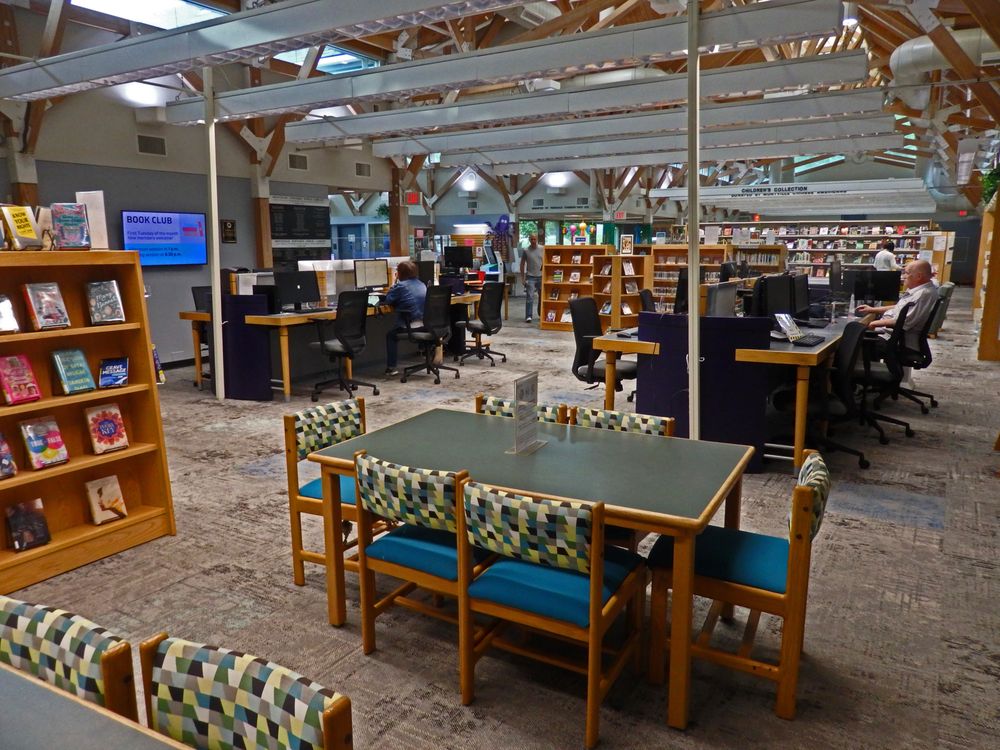
This article shares five ways libraries can support homeschool families, from educational programs to research help to access to technology and community-building opportunities. Many homeschool families may already visit their local libraries but are surprised to discover just how many science-rich resources are available beyond books alone.
Libraries provide additional inclusive homeschool resources, from access to real nonfiction books, field guides, STEM programming, nature kits, microscopes, activity boxes, and sometimes even partnerships with local parks, museums, or environmental centers. For families using LMU units, nature journals, or hands-on science lessons, libraries are an incredible way to extend investigations.
A simple library visit can turn into:
- Research for an animal behavior observation
- Borrowing a magnifying lens or nature kit for a weekend hike
- Joining a local science club or workshop
- Finding beautifully illustrated children’s books that spark new questions
Libraries fuel curiosity, and curiosity is the heartbeat of scientific thinking.
Why This Matters
At LMU, our goal is always the same: help families slow down, get outside, explore the real world, and think like scientists. But science doesn’t happen in a vacuum. It’s shaped by our senses, our communities, our questions, and the people who guide us.
Becca’s students reminded me that learning is a shared journey. When kids collaborate, research, share resources, and consider how their discoveries can help others, they are practicing important science skills. They are developing communication skills, problem-solving skills, and the ability to contribute to a broader community of learners.
Including these resources on LMU isn’t just about adding helpful links. It’s about celebrating the real work students are doing to explore, question, and connect.
That’s something worth amplifying.
If you or your children ever find a resource that inspires you, or helps you see science in a new way, I would love to hear from you. Little steps like these make a big difference in helping families everywhere explore, wonder, and grow.